
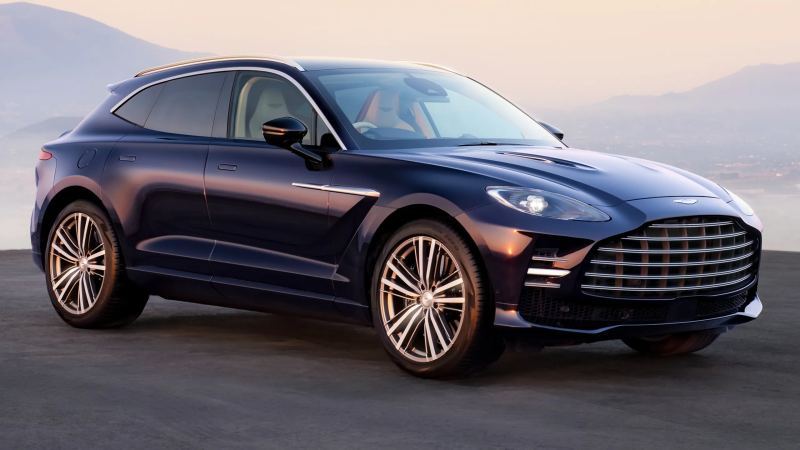
After a challenging 2025 marked by declining sales and growing losses, Aston Martin needs a model capable of helping the company recover. The new DBX GT may be that vehicle.
Aston Martin’s total sales fell to 5,448 vehicles last year, compared with 6,030 in 2024, while DBX sales declined 9% to 1,717 units. Unlike models such as the DBX S, the DBX GT is not positioned primarily as a performance SUV. Instead, it emphasizes greater luxury and refinement than the regular DBX. It should also deliver stronger margins for Aston Martin and could attract buyers considering the Ferrari Purosangue or Lamborghini Urus.
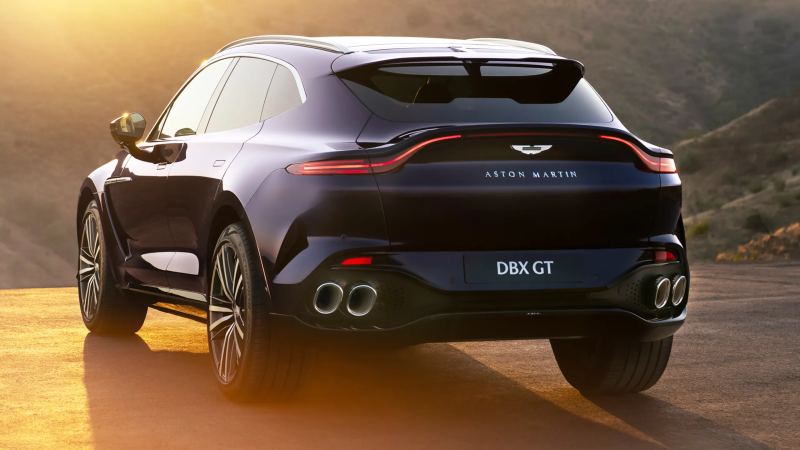
The changes begin with a bespoke double-vaned grille offered in bright or dark finishes, along with redesigned outer air vents. The SUV also receives new two-piece metal side strakes, a body-colored front bumper, sills, and rear diffuser, plus 22-inch forged wheels in a Satin Titanium diamond-turned finish. All-season tires are standard. Aston Martin has replaced the DBX S’s unusual stacked exhaust outlets with more conventional polished quad tailpipes.
A Distinctive, High-Luxury Cabin
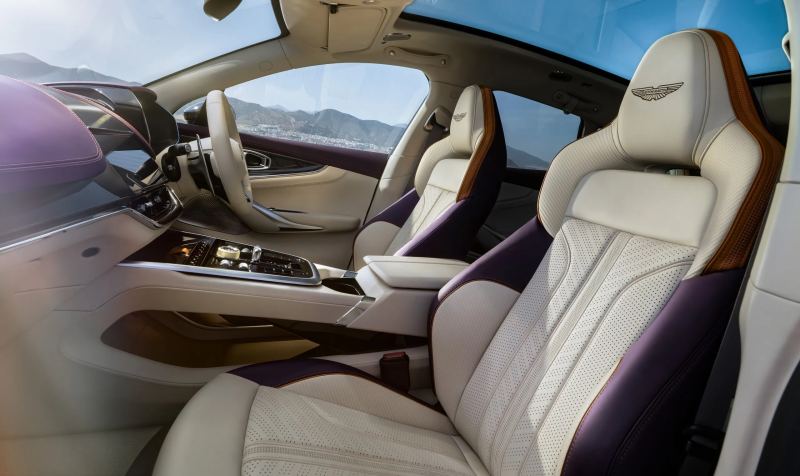
While the exterior updates are noticeable, the cabin is where the DBX GT makes its biggest impression. The front and rear seats gain support from an additional 0.39-inch (10 mm) layer of memory foam. Each front seat is finished with 2,267 feet of thread and more than 3,200 perforation holes.
The rear features two individual seats instead of the bench fitted to other DBX models. A third seat remains in the center, although space appears limited. Aston Martin will offer bespoke monotone, duotone, and tritone cabin color schemes, along with custom stitching created specifically for the DBX GT.
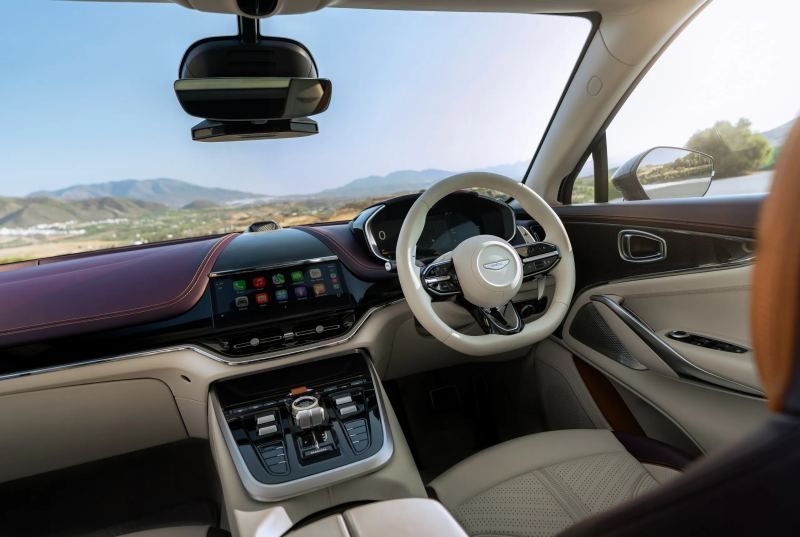
An anodized metal drive-mode controller, a standard panoramic glass roof, and additional sound-deadening material further enhance the SUV’s upscale character. Semi-aniline leather and deep-pile floor mats add to the luxurious atmosphere.
The Same Potent V8
Although Aston Martin describes the DBX GT as a refinement-focused model rather than a performance-focused one, it shares the DBX S’s 4.0-liter twin-turbocharged V8. The engine delivers 717 hp at 6,250 rpm and 664 lb-ft (900 Nm) of torque from 3,000 rpm to 5,250 rpm.
The V8 is paired with a nine-speed automatic transmission that sends power to all four wheels. Despite weighing 4,949 lbs (2,245 kg), the SUV accelerates to 60 mph (96 km/h) in 3.1 seconds and reaches a top speed of 193 mph (310 km/h). Aston Martin has revised the exhaust note and introduced a subtle GT mode for quieter driving, while Sport and Sport+ modes provide the more pronounced V8 experience.
Aston Martin has not yet revealed pricing for individual markets, but says customer deliveries are scheduled to begin in the fourth quarter.
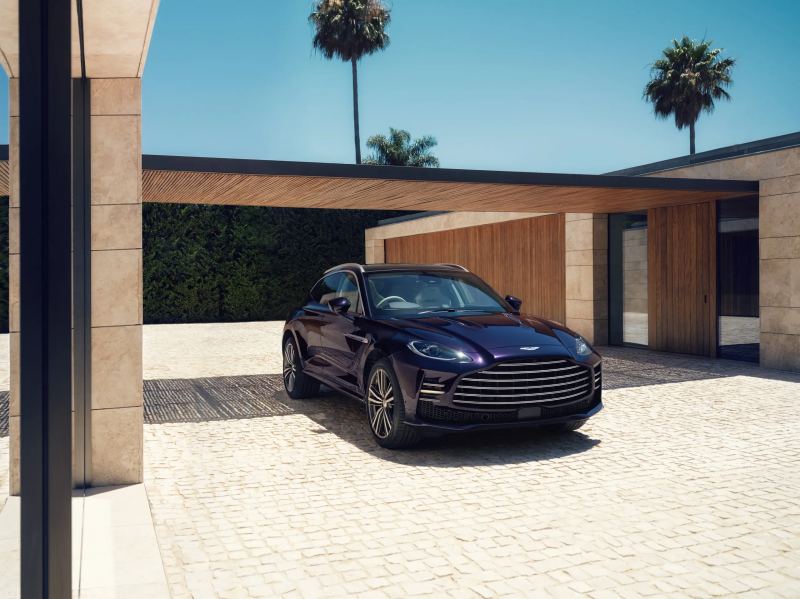
The Aston Martin DBX GT is intended to strengthen the brand after a difficult 2025, combining the DBX S’s 717-hp twin-turbo V8 with a more luxurious, refined interior. Distinctive exterior details, individual rear seats, upgraded materials, and quieter driving modes set it apart, while all-wheel drive, a 193-mph top speed, and first deliveries planned for the fourth quarter preserve its performance credentials.


Buick’s Chinese lineup is about to gain a smaller Electra GS plug-in hybrid, highlighting the kind of electrified sedan GM lacks in America.

Kia honored Rafael Nadal with a full-size EV4 GT sculpture made using clay from the courts where the tennis legend earned his “King of Clay” nickname.

Toyota is preparing a specially equipped bZ electric crossover for Waymo’s driverless ride-hailing fleet, with operations planned to begin in Japan in 2027 before expanding to the UK and other supported markets.

Nissan’s SEMA lineup now totals six concepts, led by an especially radical open-top Armada built for extreme off-roading.
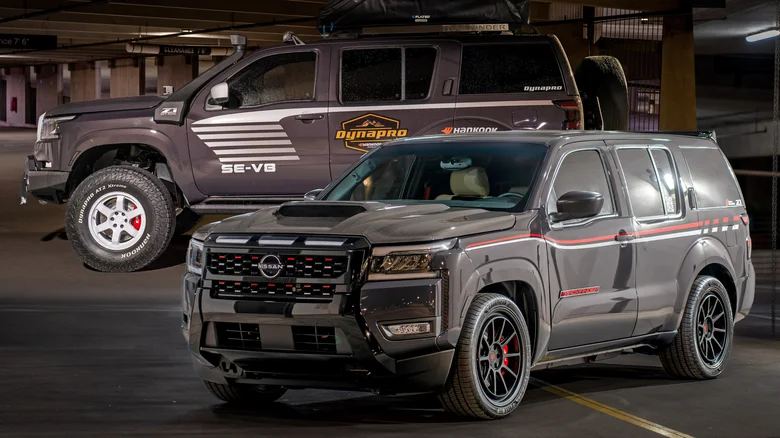
Nismo Nick is bringing two radically different ladder-frame Pathfinder projects—the Trackfinder and Trailfinder—to SEMA in celebration of the nameplate’s 40th anniversary.