

Toyota has shown a extensively reworked version of the bZ electric crossover intended to operate as an autonomous taxi for Waymo. The driverless service is scheduled to launch in Japan in 2027, with the UK and other Waymo-serviced markets expected to follow in the years ahead. Toyota is also continuing to investigate the use of Waymo technology in future vehicles.
Toyota and Waymo first announced their partnership last year, and the two companies have now provided additional details about their plans. At the center is a dedicated version of the facelifted Japanese-market Toyota bZ4X, known simply as the bZ in North America.
The electric crossover carries a series of Waymo sensors positioned on its roof, front bumper, front fenders, rear bumper, tailgate, and rear spoiler. The remaining bodywork is shared with the regular bZ4X, finished in plain white and marked with Waymo branding on the doors.
The ride-hailing bZ models will receive changes inside the cabin as well. Toyota has fitted automatic doors, a powered liftgate, and ambient lighting, while also promising generous legroom for rear-seat passengers.

Waymo’s existing vehicles generally receive their sensors and computers after leaving conventional production lines. In contrast, Toyota will build the new bZ robotaxi and fit it with Waymo’s Level 4 autonomous-driving hardware at its Takaoka factory in Japan.
Toyota has not yet disclosed detailed specifications for the autonomous version. The production bZ4X uses the e-TNGA platform and is offered with one or two electric motors, delivering up to 214 hp (160 kW / 217 PS). Its 74.7 kWh lithium-ion battery provides up to 314 miles (505 km) of WLTP range, while the EPA estimate is 252 miles (406 km).
Further details are expected when the EV begins reaching customers in Japan next year. It is not yet clear whether Toyota’s robotaxis will also appear in US cities such as Phoenix, San Francisco, Los Angeles, and Atlanta, where they could eventually replace the custom Jaguar I-Pace SUVs Waymo has used since 2018.
The companies also confirmed that they are researching how Waymo’s autonomous-driving technology could be integrated into privately owned Toyota vehicles. They are working with Toyota’s software division, Woven by Toyota, to use real-world operating data to help improve road safety.
Toyota and Waymo have revealed a factory-built autonomous version of the bZ, based on the Japanese-market facelifted bZ4X. It will feature Waymo’s Level 4 hardware, ride-hailing-focused interior upgrades, and assembly at Toyota’s Takaoka plant. The companies are also studying the use of Waymo’s technology in privately owned Toyota vehicles while using operational data to support road-safety improvements.


Buick’s Chinese lineup is about to gain a smaller Electra GS plug-in hybrid, highlighting the kind of electrified sedan GM lacks in America.

Kia honored Rafael Nadal with a full-size EV4 GT sculpture made using clay from the courts where the tennis legend earned his “King of Clay” nickname.

Nissan’s SEMA lineup now totals six concepts, led by an especially radical open-top Armada built for extreme off-roading.
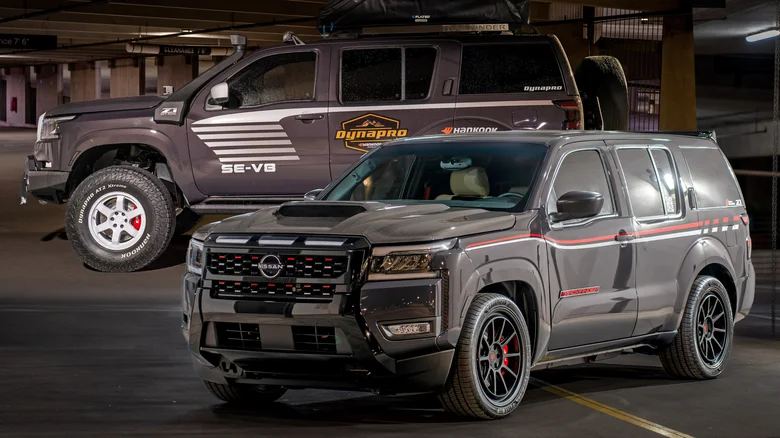
Nismo Nick is bringing two radically different ladder-frame Pathfinder projects—the Trackfinder and Trailfinder—to SEMA in celebration of the nameplate’s 40th anniversary.
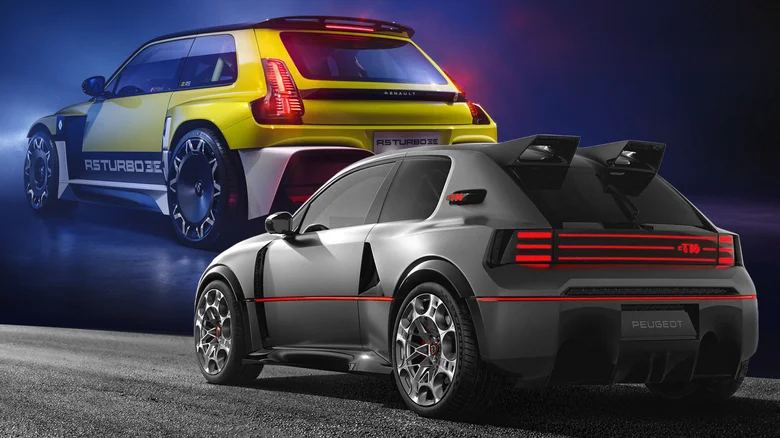
Renault and Peugeot have each reimagined a legendary Group B hatchback as an electric hyper hatch, leaving enthusiasts with no obvious wrong choice.