
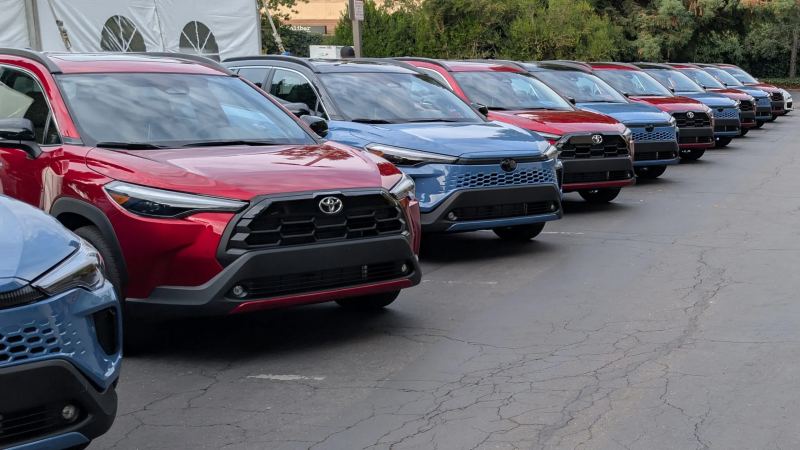
The used-car market does not always live up to expectations. Shoppers can spend weeks researching and comparing vehicles, only to discover a serious problem after driving their purchase home. California is now giving buyers a three-day opportunity to reconsider. The state’s Combating Auto Retail Scams Act took effect October 1, creating an automatic return right for qualifying used vehicles priced at $50,000 or less. However, the provision is not the same as receiving a free weekend rental.
According to California’s DMV, the rule covers purchases and leases made through licensed dealers. Buyers no longer need to purchase a separate cancellation option in advance. The three-calendar-day period begins the day after the contract is signed, including weekends. When the dealership is closed on the last day, the deadline extends to the next day it is open.
The protection comes with conditions. The vehicle must be returned to the selling dealer during business hours after being driven no more than 400 miles (644 km). It must be in essentially the same condition, although reasonable wear and mechanical issues that develop after delivery through no fault of the buyer do not cancel the right to return it. New vehicles, private-party transactions, motorcycles, and qualifying auction sales are not covered.
The significant catch is that returning the vehicle can cost up to $750. Dealers may impose a restocking charge equal to 1.5% of the vehicle’s sale price, with a minimum of $200 and a maximum of $600. If the buyer drives more than 250 miles (402 km), the dealer can add $1 for every additional mile, up to $150. Returning a $40,000 vehicle after 400 miles could therefore result in the full $750 charge. When the dealer billed for shipping, it may retain the actual shipping expense instead of the standard restocking fee, subject to the same cap.
California officials said the new rules would give residents the nation’s strongest car-buying protections, while targeting junk fees and bait-and-switch practices that can increase family expenses.
The law also sets rules for trade-ins. Dealers generally must return the traded vehicle. If it has already been sold or its title transfer has begun, the dealer must pay whichever is greatest among the agreed trade-in value, the sale price, or the vehicle’s fair market value, subject to any remaining loan. In most cases, dealers have 48 hours after a valid cancellation to unwind the transaction and issue a refund, although payment verification can extend that period.
The law was covered when it was signed last year, but its provisions are now active. Alongside the return policy, the measure requires clearer total prices and limits unwanted or worthless add-ons. California estimates that the pricing changes could save consumers $234 million each year. For individual shoppers, the most valuable protection may be the ability to escape a purchase that seemed appealing on the lot.
California dealers must adapt to the October 1 changes under SB 766, which affect vehicle advertising, dealer-addendum pricing, rebate disclosures, payment quotations, and how dealerships respond to customers.
California’s Combating Auto Retail Scams Act gives buyers of qualifying used vehicles priced at $50,000 or less three calendar days to cancel a dealer purchase or lease. The vehicle must be returned within 400 miles and in essentially the same condition, while restocking, mileage, and shipping charges can total as much as $750. The law also strengthens trade-in, pricing, rebate, and add-on protections.


Buick’s Chinese lineup is about to gain a smaller Electra GS plug-in hybrid, highlighting the kind of electrified sedan GM lacks in America.

Kia honored Rafael Nadal with a full-size EV4 GT sculpture made using clay from the courts where the tennis legend earned his “King of Clay” nickname.

Toyota is preparing a specially equipped bZ electric crossover for Waymo’s driverless ride-hailing fleet, with operations planned to begin in Japan in 2027 before expanding to the UK and other supported markets.

Nissan’s SEMA lineup now totals six concepts, led by an especially radical open-top Armada built for extreme off-roading.
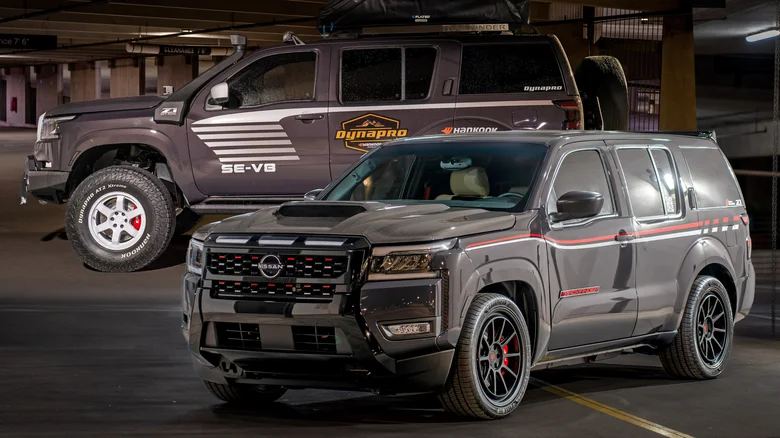
Nismo Nick is bringing two radically different ladder-frame Pathfinder projects—the Trackfinder and Trailfinder—to SEMA in celebration of the nameplate’s 40th anniversary.