
President Donald Trump says he would welcome Chinese automakers building vehicles in the United States as long as they hire American workers. Detroit’s largest automakers are far less receptive. General Motors, Ford, and Stellantis declined to comment separately, but their joint lobbying organization cautioned that Chinese manufacturers could damage the US auto industry. In this case, “Made in America” may not be enough.
“If China wanted to come in and open a plant to build their cars here, I’d be OK with that,” Trump said recently. He compared the idea with Japanese automakers operating US factories and said employing American workers was the key consideration. The Detroit Free Press reports that the American Automotive Policy Council, which represents the Detroit Three in Washington, believes that comparison leaves out several significant factors.
Council president Matt Blunt said Chinese automakers benefit from government subsidies, currency manipulation, and other “non-market advantages.” In his view, allowing them to build or sell vehicles in the US without addressing those benefits would harm domestic automakers, employees, and communities. The position puts Detroit in an unusual spot: the companies are publicly challenging an administration whose policies have generally favored them.
The proposal is also at odds with Washington’s recent treatment of Ford. Transportation Secretary Sean Duffy criticized Ford over its ties to Chinese battery maker CATL and Geely, saying the automaker was linking its future to state-backed Chinese enterprises. Trump now appears willing to let those same Chinese companies build factories in the United States.
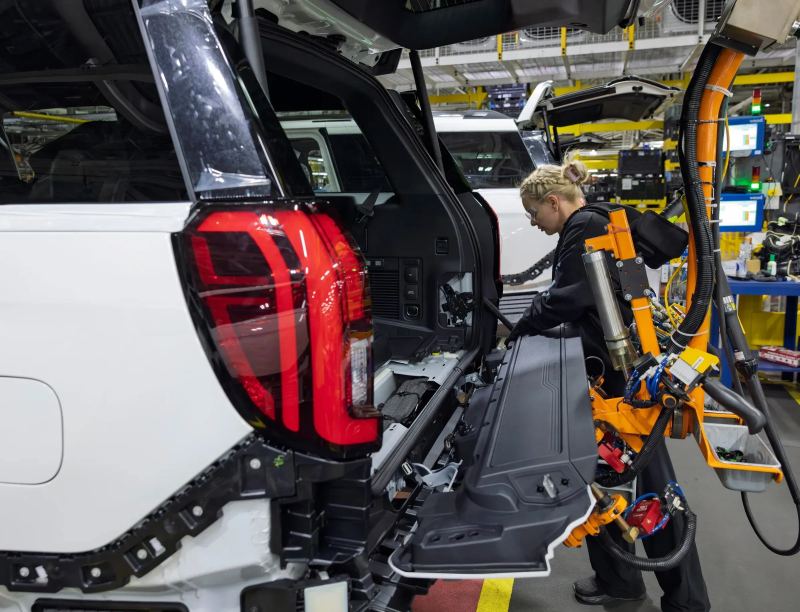
The competitive threat is already visible. Chinese brands reportedly hold 20 percent of Mexico’s new-car market, while Canada is preparing to allow a limited number of Chinese-built vehicles in under lower tariffs. AlixPartners forecasts that Chinese brands could reach 30 percent of the global market by 2030.
Ford CEO Jim Farley has spoken unusually openly about the challenge and even drove a Xiaomi SU7 for months to study the competition. He called the Chinese EV high quality and praised its digital experience. Trump’s plan could bring factory jobs to the US, but Detroit’s objection is centered on the broader competitive picture.
Building Chinese vehicles in America would not eliminate the financial and strategic advantages supporting those companies. The dispute is therefore not just about where the cars are assembled, but whether US automakers would be competing on anything close to equal terms. Pricing in other markets makes it clear why the Big Three are worried.
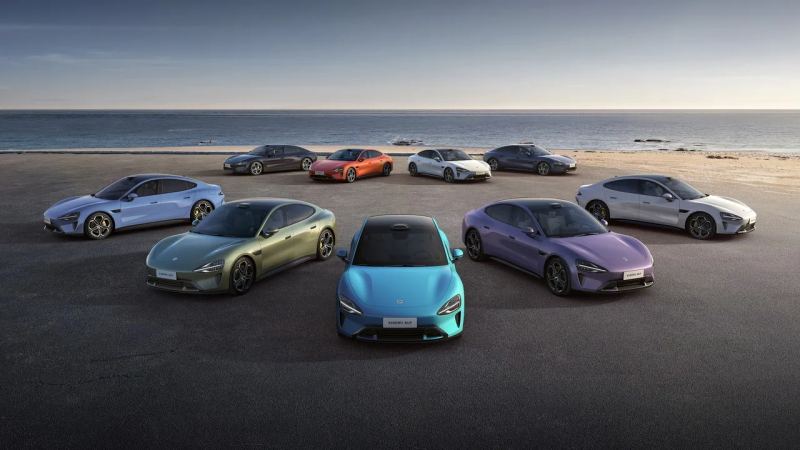


Buick’s Chinese lineup is about to gain a smaller Electra GS plug-in hybrid, highlighting the kind of electrified sedan GM lacks in America.

Kia honored Rafael Nadal with a full-size EV4 GT sculpture made using clay from the courts where the tennis legend earned his “King of Clay” nickname.

Toyota is preparing a specially equipped bZ electric crossover for Waymo’s driverless ride-hailing fleet, with operations planned to begin in Japan in 2027 before expanding to the UK and other supported markets.

Nissan’s SEMA lineup now totals six concepts, led by an especially radical open-top Armada built for extreme off-roading.
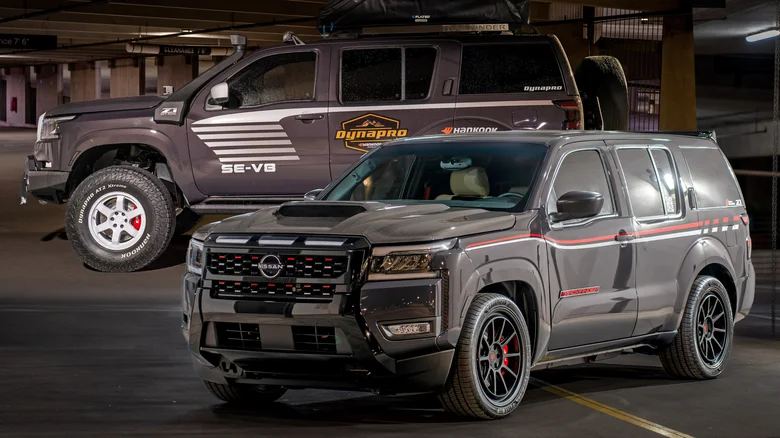
Nismo Nick is bringing two radically different ladder-frame Pathfinder projects—the Trackfinder and Trailfinder—to SEMA in celebration of the nameplate’s 40th anniversary.