
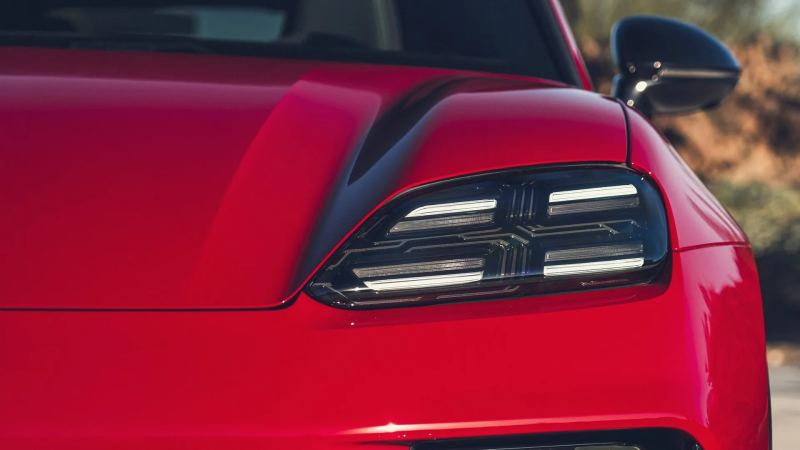
Anyone who has faced an oncoming SUV that fills the cabin with light knows headlights can be more attention-grabbing than expected. At the same time, many drivers feel their own vehicle’s lighting falls short. The Rivian R1S, for example, demonstrates how capable modern headlights can be. Seeing farther along the road is an important part of vehicle safety, and the National Highway Traffic Safety Administration now appears ready to address how far U.S. standards have fallen behind.
On October 6, NHTSA announced plans to update Federal Motor Vehicle Safety Standard No. 108. The agency is considering glare, headlamp height and aiming, newer lighting technologies, and greater consistency with international standards. The review could cover LEDs, automatic high beams, dusk sensors and replaceable light sources, along with testing for plastic optics and replacement lenses. Its scope therefore extends well beyond simply determining how bright headlights should be.
This is not the first time regulators have promised better headlight performance. In February 2022, NHTSA issued a final rule permitting adaptive driving beam systems on new vehicles. These systems can send more light toward unobstructed areas of the road while reducing illumination near other vehicles. The goal is to help drivers see pedestrians, animals and obstacles without blinding approaching traffic.
That earlier rule amended the same safety standard and set performance requirements for adaptive driving beam technology. NHTSA’s interest in international alignment is promising, but the announcement does not indicate that the agency will adopt European adaptive-headlight regulations wholesale. Whether it does so remains unresolved.
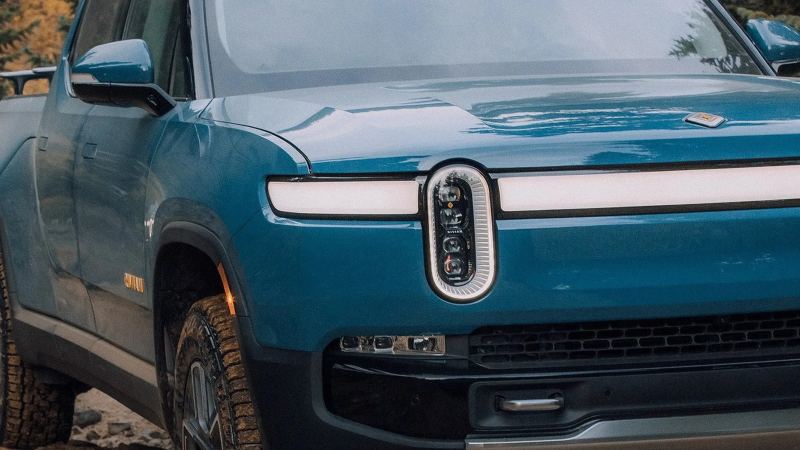
The push for improvements is supported by driver feedback. An AAA survey released in March found that 60% of drivers view glare as a nighttime problem. Of those affected, 73% said the issue had become worse over the previous decade, while 92% named headlights from oncoming vehicles as their main concern. Roughly one-third also reported glare problems in their mirrors.
NHTSA plans to use negotiated rulemaking with as many as 18 stakeholders. Comments on the review’s scope and committee balance, as well as applications for committee membership, must be submitted by November 9 under docket NHTSA-2026-1981. The announcement provides no completion date, and it does not create new requirements. For now, drivers and lobbyists can help shape the review, while the effectiveness of the effort will depend on the regulations eventually adopted.
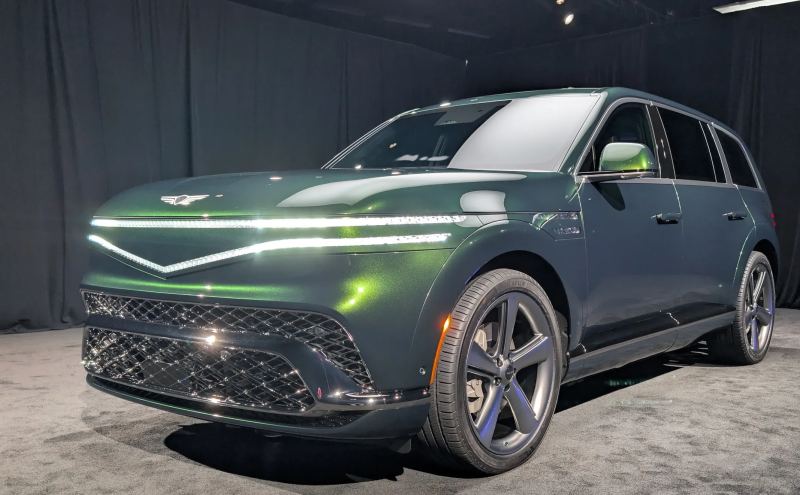
NHTSA is reopening Federal Motor Vehicle Safety Standard No. 108 to examine headlight glare, mounting height, aiming, emerging technologies and international standards. The review follows growing concerns about nighttime glare and builds on a 2022 rule permitting adaptive driving beams. Negotiated rulemaking will involve up to 18 stakeholders, but the agency has not set a completion date or introduced new requirements yet.


Buick’s Chinese lineup is about to gain a smaller Electra GS plug-in hybrid, highlighting the kind of electrified sedan GM lacks in America.

Kia honored Rafael Nadal with a full-size EV4 GT sculpture made using clay from the courts where the tennis legend earned his “King of Clay” nickname.

Toyota is preparing a specially equipped bZ electric crossover for Waymo’s driverless ride-hailing fleet, with operations planned to begin in Japan in 2027 before expanding to the UK and other supported markets.

Nissan’s SEMA lineup now totals six concepts, led by an especially radical open-top Armada built for extreme off-roading.
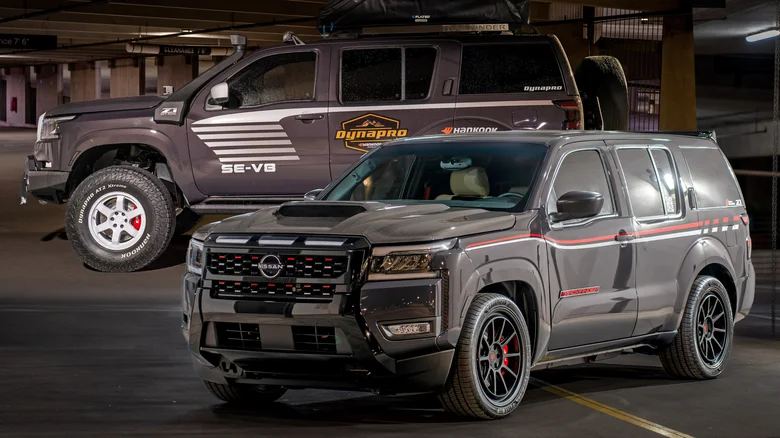
Nismo Nick is bringing two radically different ladder-frame Pathfinder projects—the Trackfinder and Trailfinder—to SEMA in celebration of the nameplate’s 40th anniversary.