
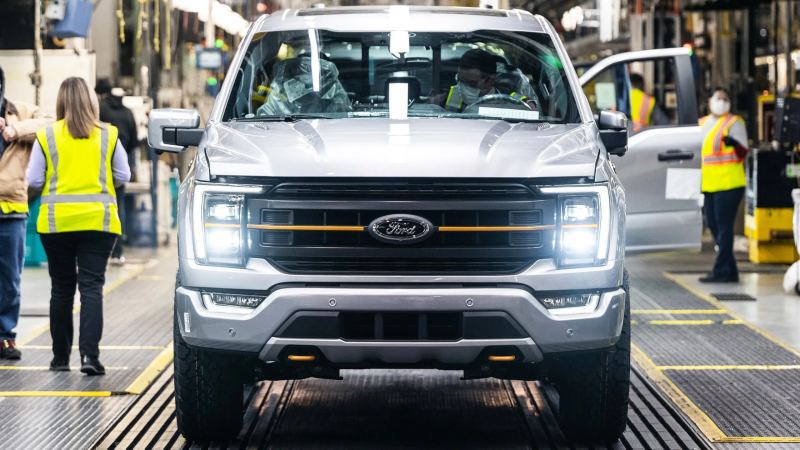
Before returning to the Oval Office for a second term, President Trump promised major changes to fuel economy standards. Although he has abandoned several pre-campaign pledges, he has followed through on this one and confirmed that he has approved the new regulations.
In a social media post over the weekend, Trump said the changes would bring down new-car prices. He did not specify how much prices might fall, though any substantial reduction would likely be welcomed by buyers. The revised rules are also expected to slow the growth of electric vehicles in the United States and lead to higher carbon dioxide emissions.
Under Biden administration rules, automakers were required to improve vehicle fuel efficiency by 8 percent in 2024 and 2025, followed by a 10 percent improvement in 2026 and an additional 2 percent each year from 2027 through 2031.
The Trump administration has spent nearly a year finalizing replacement fuel economy standards. Its December proposal would reduce the requirement to 34.5 mpg by 2031, well below President Biden’s 50.4 mpg target. Major industry figures, including Ford CEO Jim Farley, quickly endorsed the plan. Earlier this month, the NHTSA said the proposal could lower the price of an average new car by $980.
A Major Win for Americans?
In a Truth Social post, Trump called it a “BIG DAY FOR AMERICAN AUTO WORKERS AND CAR BUYERS!” He said the new standards would “take the waste out of building cars in America,” resulting in lower prices and saving families thousands of dollars on a new, safe car. He also contrasted the changes with what he described as the “Environmental Monsters” previously being built.
Trump also claimed that the “Dumocrats” cost American automakers billions of dollars, forced consumers into cars they did not want, and wasted billions on Chargers that were never built.

The administration is scheduled to release detailed information about the new fuel economy standards on Monday.
There is no guarantee that the changes will make new cars cheaper, despite the administration’s promise. Easing the rules could reduce manufacturing costs by allowing automakers to develop and build simpler, less expensive powertrains, but companies may not pass those savings on to buyers. Publicly traded American automakers such as Ford and GM are focused on maximizing shareholder value, which does not necessarily mean making their vehicles more affordable.
The long-term future of the new standards is also uncertain. With the country in a deeply divided political period, a Democratic victory in the 2028 or 2032 election could lead to the Trump administration’s changes being reversed quickly.
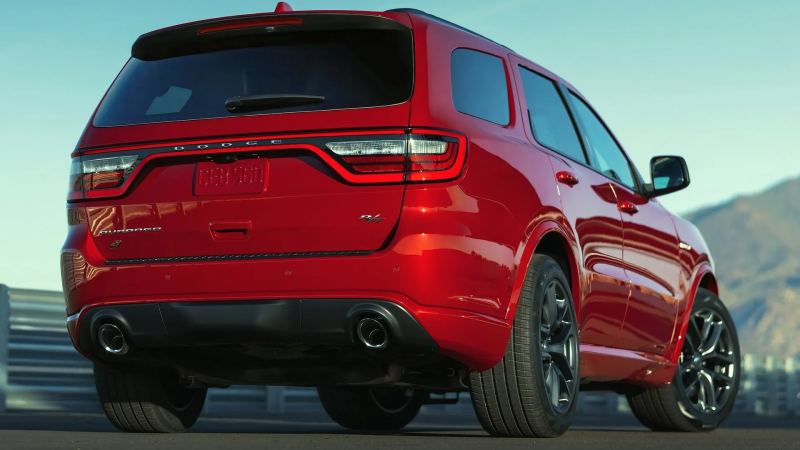


Buick’s Chinese lineup is about to gain a smaller Electra GS plug-in hybrid, highlighting the kind of electrified sedan GM lacks in America.

Kia honored Rafael Nadal with a full-size EV4 GT sculpture made using clay from the courts where the tennis legend earned his “King of Clay” nickname.

Toyota is preparing a specially equipped bZ electric crossover for Waymo’s driverless ride-hailing fleet, with operations planned to begin in Japan in 2027 before expanding to the UK and other supported markets.

Nissan’s SEMA lineup now totals six concepts, led by an especially radical open-top Armada built for extreme off-roading.
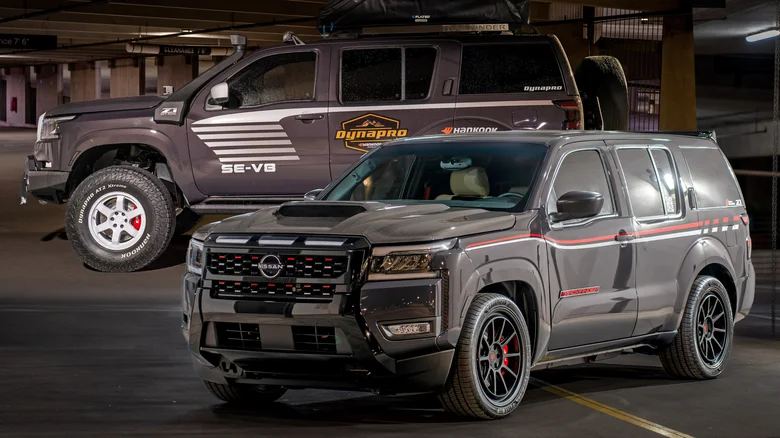
Nismo Nick is bringing two radically different ladder-frame Pathfinder projects—the Trackfinder and Trailfinder—to SEMA in celebration of the nameplate’s 40th anniversary.