
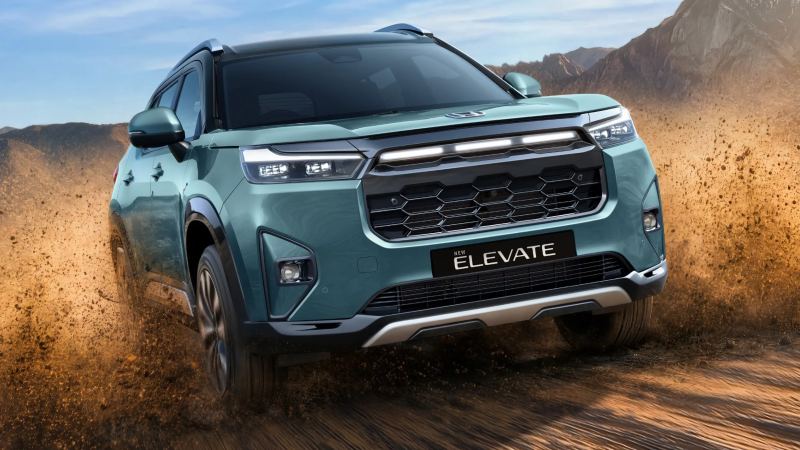
Honda has given its entry-level SUV in India a mid-cycle update centered on subtle exterior revisions and additional cabin technology. The facelifted Elevate is distinguished by a more rugged grille with integrated LEDs, while ventilated front and rear seats are now available.
Built in India, the Elevate debuted in 2023 and is also exported to Japan under the WR-V name. After three years on the market, the SUV receives this refresh as Honda looks to maintain its competitiveness in a crowded segment.
The main visual change is a new grille intended to give the Elevate a tougher appearance. Honda has moved the emblem onto the hood, leaving space for a honeycomb grille pattern, black trim elements and segmented LED position lights positioned between the headlights.
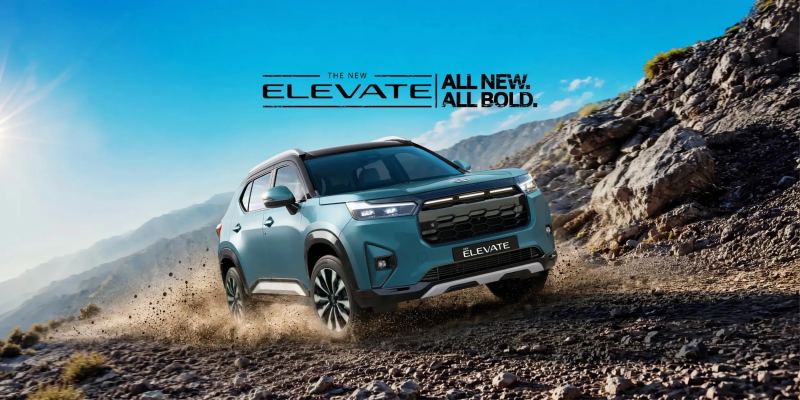
The front bumper remains the same as on the pre-facelift model, although the faux side inlets around the fog lights now feature body-colored inserts. The profile and rear body panels are also unchanged. Honda has added Nordic Forest Pearl as a new color option.
The range now includes the flagship ZX+ Black trim, which combines a stealth-inspired look with black 17-inch alloy wheels and leather upholstery. Optional accessories include additional bumper and door cladding, along with decorative inserts finished in chrome or dark chrome.
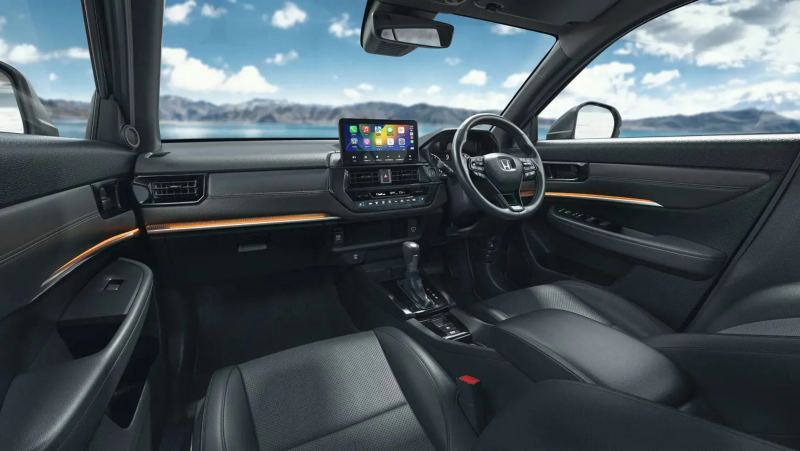
Inside, the outgoing model’s faux wood dashboard inserts have been replaced by extended leatherette padding, complemented by new ambient lighting. The climate-control surround on the center console has also been revised slightly, while the freestanding 10.25-inch infotainment display carries over.
Ventilated seats for both rows are the major cabin upgrade. No other model in the segment offers the feature, which is more commonly associated with larger or more expensive vehicles. However, the Elevate does not offer a massage function, unlike the rival Skoda Kushaq.
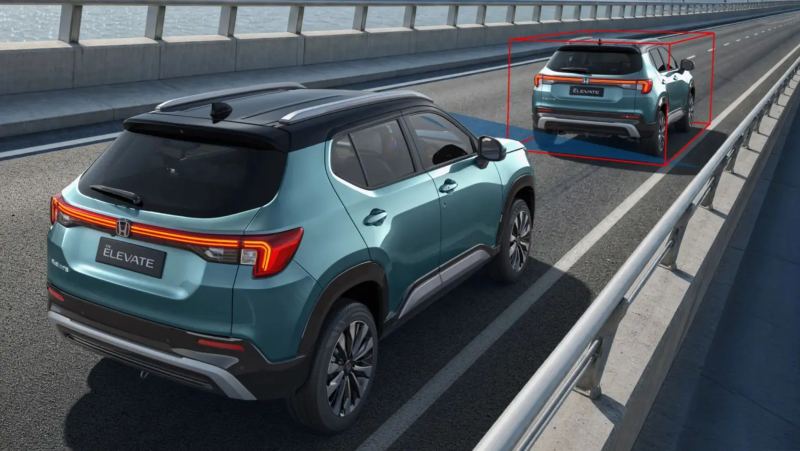
Honda has also improved cabin insulation and offers features including power-adjustable front seats, rear climate vents, touch-sensitive reading lights and remote engine start. Every trim comes with six standard airbags, while higher-specification versions add the Honda Sensing ADAS package, including adaptive cruise control and lane-keeping assist.
The mechanical package is unchanged. Measuring 4,312 mm (169.8 in) long, the SUV shares its platform and underpinnings with the Honda City sedan, but it is offered with only one non-electrified powertrain. Its naturally aspirated 1.5-liter four-cylinder produces 119 hp (89 kW / 121 PS) and 145 Nm (107 lb-ft) of torque, with drive sent to the front wheels through either a six-speed manual transmission or a CVT.
Orders for the facelifted Honda Elevate are now open in India. The entry-level SV manual remains priced at Rs 11.80 lakh ($12,200), matching the previous model, while other versions receive modest increases. The range-topping ZX+ with the CVT costs Rs 18.40 lakh ($19,000), making it pricier than the discontinued ADV special edition of the pre-facelift SUV.
The Honda SUV competes in India with models such as the Hyundai Creta, Kia Seltos, Skoda Kushaq, VW Taigun, Maruti Suzuki Grand Vitara, Toyota Urban Cruiser Hyryder, Renault Duster and Nissan Tekton. The same updates could eventually reach the Japanese-market Honda WR-V, which is built at the Tapukara, Rajasthan, facility in India.
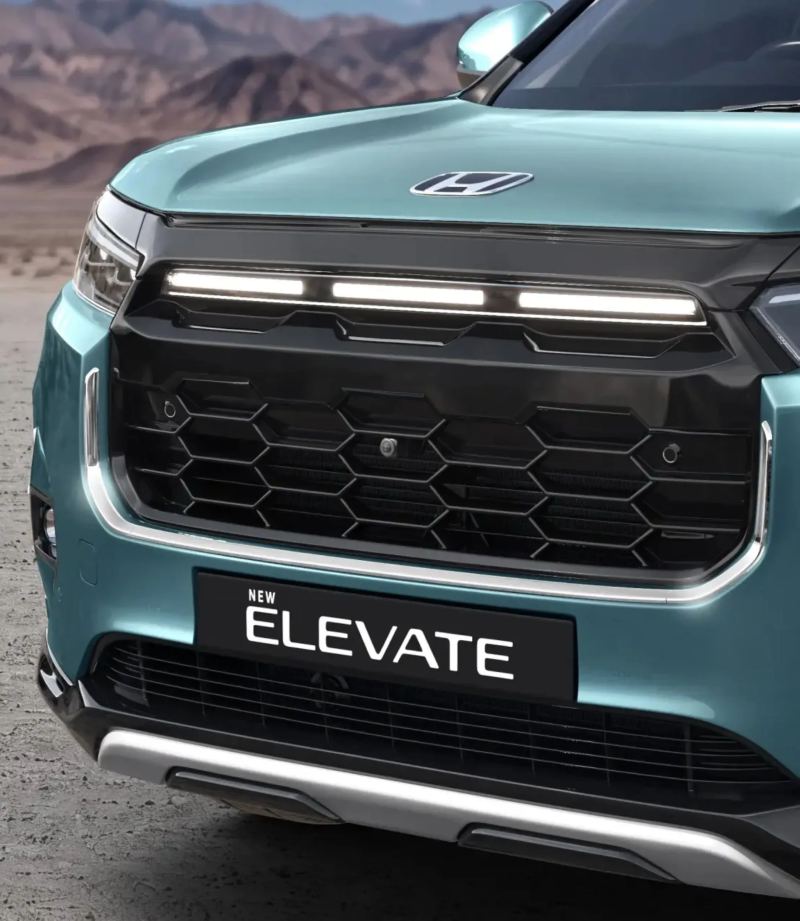
Honda’s refreshed Elevate brings a tougher front-end design, expanded comfort features and ventilated seats for both rows to India’s entry-level SUV segment. The model retains its 1.5-liter naturally aspirated engine, front-wheel-drive layout and manual or CVT transmissions. Prices range from Rs 11.80 lakh ($12,200) to Rs 18.40 lakh ($19,000), with the update now available to order.


Buick’s Chinese lineup is about to gain a smaller Electra GS plug-in hybrid, highlighting the kind of electrified sedan GM lacks in America.

Kia honored Rafael Nadal with a full-size EV4 GT sculpture made using clay from the courts where the tennis legend earned his “King of Clay” nickname.

Toyota is preparing a specially equipped bZ electric crossover for Waymo’s driverless ride-hailing fleet, with operations planned to begin in Japan in 2027 before expanding to the UK and other supported markets.

Nissan’s SEMA lineup now totals six concepts, led by an especially radical open-top Armada built for extreme off-roading.
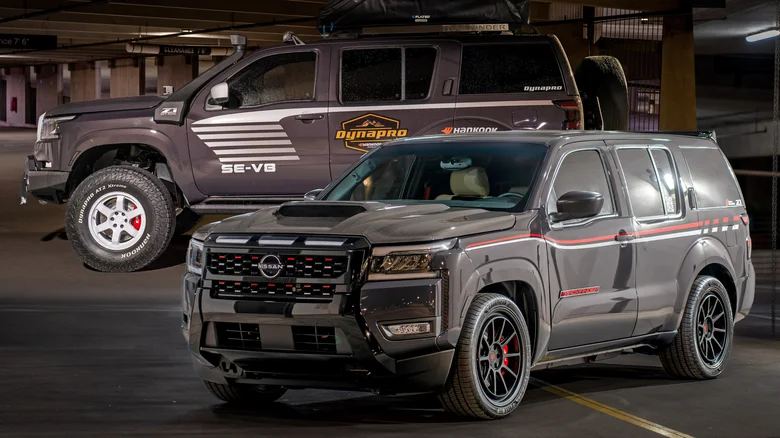
Nismo Nick is bringing two radically different ladder-frame Pathfinder projects—the Trackfinder and Trailfinder—to SEMA in celebration of the nameplate’s 40th anniversary.