
Chinese vehicles are continuing to reshape automotive markets around the world, but high US tariffs and policies intended to keep those competitors out have so far limited their impact in America. Automakers already operating in the US remain concerned about what could happen next. With President Donald Trump saying he would welcome Chinese companies building vehicles in the country, Hyundai has now joined the warnings.
Hyundai Motor CEO Jose Munoz said the US auto market could begin to resemble those of the UK and Europe if Washington removed its import restrictions.
“The UK, which in the past was a very profitable, very strong market, has become like China,” Munoz said, according to Reuters. “All the top sellers are Chinese because there are no barriers. So I think we could expect similar things to happen in the US, at different levels, unless there are certain conditions.”
Chinese Cars Remain Shut Out, But For How Long?

Chinese vehicles are effectively priced out of the US because tariffs on their EVs are around 100 percent. However, President Trump has spoken positively about Chinese automakers entering the market if they use US labor and build factories in America, making Hyundai far from the only company concerned.
Last week, the American Automotive Policy Council, which represents Ford, General Motors, and Stellantis in Washington, issued a statement that appeared to challenge Trump’s comments. Trump had compared the idea with Japanese automakers that produce vehicles in the US. The council argued that Chinese manufacturers benefit unfairly from state subsidies, currency manipulation, and other non-market advantages.
At a town hall meeting in July, Ford CEO Jim Farley told employees that executives expected Chinese brands to enter the US within five to ten years.
The Warning From Europe
Munoz previously led Nissan’s Chinese operations and has praised the pace of China’s technological development. His concerns about the UK and Europe, however, focus on Hyundai’s profitability. Chinese brands account for 15 percent of new-car registrations in the UK, where there are no tariffs on Chinese vehicles.
The EU has imposed tariffs on Chinese EVs after determining that their manufacturers benefited from unfair state subsidies. Brussels is also developing “Made in Europe” rules that would set requirements for how many vehicle components must be produced within the bloc for a car to qualify for sale. Even with those EU tariffs, Munoz said Chinese vehicles are 30-40 percent cheaper in some markets.
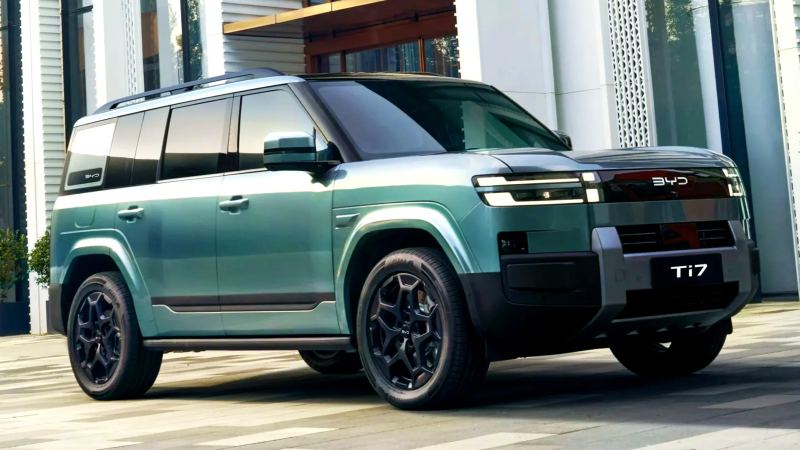


Buick’s Chinese lineup is about to gain a smaller Electra GS plug-in hybrid, highlighting the kind of electrified sedan GM lacks in America.

Kia honored Rafael Nadal with a full-size EV4 GT sculpture made using clay from the courts where the tennis legend earned his “King of Clay” nickname.

Toyota is preparing a specially equipped bZ electric crossover for Waymo’s driverless ride-hailing fleet, with operations planned to begin in Japan in 2027 before expanding to the UK and other supported markets.

Nissan’s SEMA lineup now totals six concepts, led by an especially radical open-top Armada built for extreme off-roading.
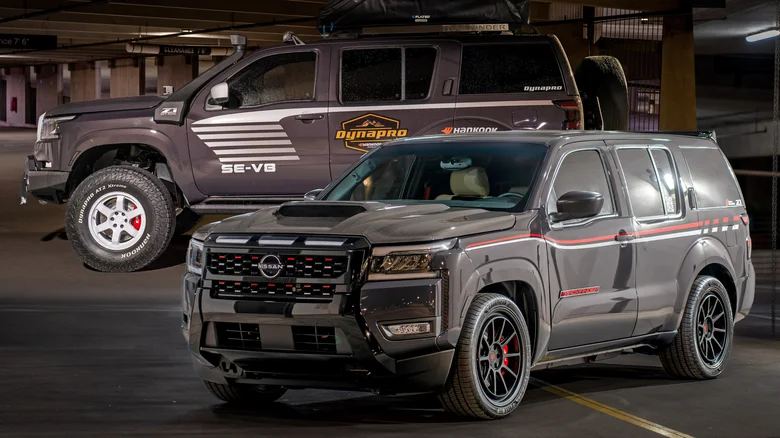
Nismo Nick is bringing two radically different ladder-frame Pathfinder projects—the Trackfinder and Trailfinder—to SEMA in celebration of the nameplate’s 40th anniversary.